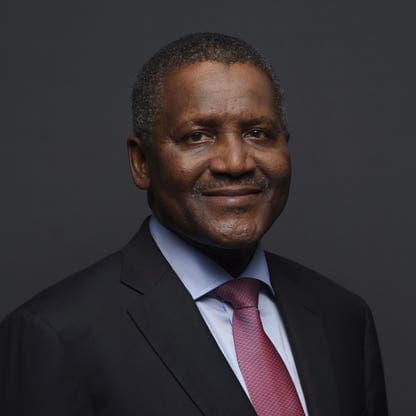
Former CBN Governor Sanusi Lamido Regrets Delaying Telcos' Entry Into Financial Services, Citing Slowed Financial Inclusion
Speaking at the launch of the Access to Financial Services in Nigeria (A2F) 2026 Survey Report, former Central Bank of Nigeria Governor Muhammadu Sanusi II candidly admitted that his cautious stance on telco-led financial services during his tenure inadvertently slowed financial


In a striking admission of policy reflection, the Emir of Kano and former Governor of the Central Bank of Nigeria (CBN), Sanusi Lamido Sanusi, has stated that one of his primary regrets in office was delaying the entry of telecommunications companies into Nigeria’s financial services sector.
Sanusi made the remarks on Wednesday, September 16, 2026, in Abuja at the official launch of the 2026 Access to Financial Services in Nigeria (A2F) survey report, published by Enhancing Financial Innovation & Access (EFInA).
Reflecting on the regulatory climate during his tenure, He explained that his decisions were heavily influenced by the immediate aftermath of a severe banking crisis. Protecting depositors' funds was paramount, and he noted that he was initially uncomfortable granting non-bank entities, which were not directly regulated by the CBN as primary financial institutions, access to massive pools of public funds.
However, looking at the subsequent explosive growth of fintech companies, mobile money platforms, and digital financial services, Sanusi conceded that hindsight shows telecommunications infrastructure could have accelerated financial inclusion much earlier. He commended subsequent CBN administrations for progressively opening up the regulatory space to telcos and fintechs, noting that digital service providers have successfully reached remote communities where traditional brick-and-mortar banks lack physical footprints.
The high-profile acknowledgment underscored discussions at the A2F 2026 report launch, which highlighted that while national financial exclusion rates have dropped to 21%, deep disparities remain with 53% of Nigeria's poorest populations still financially excluded. Sanusi urged regulators to leverage existing transaction data from fintechs and mobile platforms to automatically build micro-savings, insurance, and pension protections into everyday transactions for ordinary citizens.
More from Business

Traders and Commercial Drivers Protest Heavy Taxation and Petrol Price Hike in Enugu
3 hours ago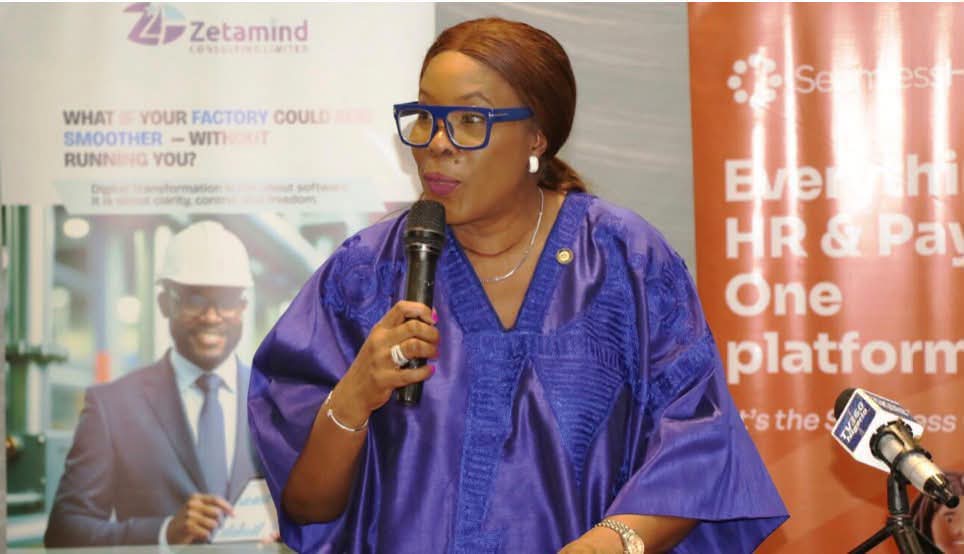
Lagos Needs Deeper Private-Sector Partnership to Drive Toward $1Trn Economy by 2052, Says Ambrose-Medebem
4 hours ago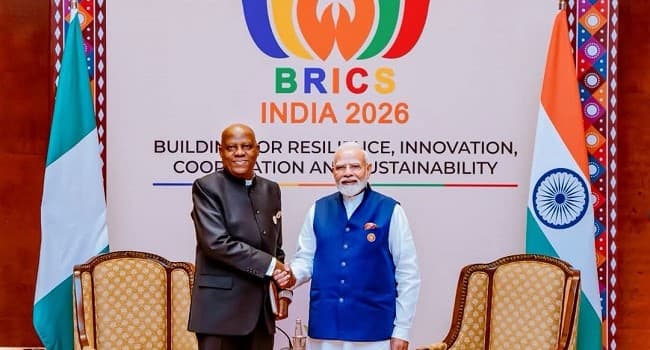
India Pushes for Increased Nigerian Crude Following Shettima–Modi Talks at BRICS Summit
2 days ago